

Visualizing Live Borrelia Spirochetes with Advanced Microscopy

Accurate visualization of Borrelia spirochetes remains one of the most challenging aspects of Lyme disease research. While molecular and serological techniques are widely used, direct observation of living Borrelia organisms has historically been limited by the technical capabilities of conventional microscopy. A 2024 study published in Acta Microscopica presents the first application of an improved-resolution…

Details

Borrelia Infection in Storks and Eagles from Hortobágy

A recently published study in the journal Animals provides important new evidence regarding the role of wild birds in the ecology of Lyme disease-causing bacteria. The research investigated the presence of Borrelia spirochetes in birds admitted to the Hortobágy Wild Bird Hospital and Sanctuary in Hungary and revealed surprisingly high rates of infection among several…

Details

Bird–Borrelia Interactions: A Historical Review and Their Significance for Human Disease Ecology

This review article provides a comprehensive overview of the scientific understanding of bird–Borrelia interactions and their importance in the ecology of Lyme disease and other tick-borne infections. Drawing on more than a century of research, the authors trace the evolution of scientific knowledge from the earliest observations of Borrelia spirochetes to modern molecular and ecological…

Details

Transmission of Lyme disease from mother to foetus

Lyme disease is the most common vector-borne illness, which is typically transmitted by ticks – Ixodes species to be precise. The incidence of Lyme borreliosis is continuously increasing, which is caused by a number of factors. One of them is the transmission of Lyme disease from mother to foetus. Proven transplacental infection The first confirmed…

Details

EU Lyme resolution

With the increased incidence of Lyme borreliosis, it has now grown into a European health problem. In a resolution adopted in 2018, the European Parliament  expresses its concern at the alarming proportions of the spread of Lyme disease in the European population, with around 1 million citizens suffering from the disease according to the census…

Details

Diagnostic difficulties in confirming Lyme borreliosis

The more chronic the problems, the less likely is that we can detect antibodies or an immune reaction. Shocking data: in about 70 percent of the cases, patients who were bitten by a tick do not develop a characteristic Lyme rash. Only 30 percent of those affected have an erythema migrans – they are lucky…

Details

Medium and Artificial Intelligence

An accurate diagnosis needs special solutions  DualDur medium, developed for laboratory diagnosis of Lyme disease, prepares the blood sample for the dark-field microscopic examination of the pathogenic bacterium. The decades-long experience of Dr. Béla Pál Bózsik, who developed the medium, suggests that a Borrelia-infected blood sample taken on DualDur medium and condensed with the DualDur…

Details

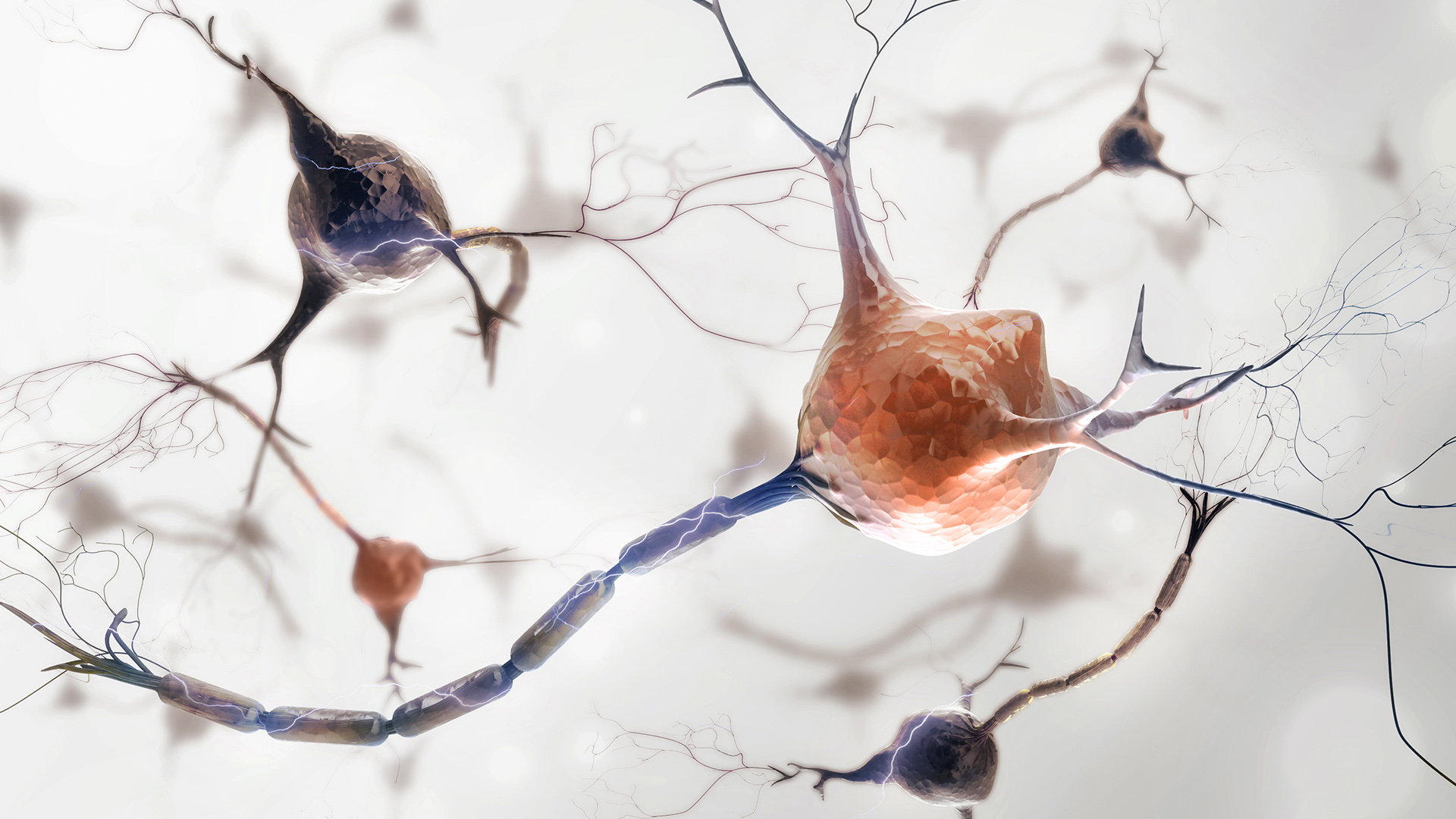
The effects of Lyme Disease on the nervous system

A limping dancer, a student forced to the bench.   According to Dr. Erik Kolbenheyer, an internist, gastroenterologist, family doctor, occupational health specialist, doctor of traditional Chinese medicine, there are some particularly interesting cases of Lyme borreliosis, where the disease causes bizarre symptoms in the nervous system. The doctor, who, being personally affected by the…

Details